By
BigEasyLawnCare
 Oct 5, 2026

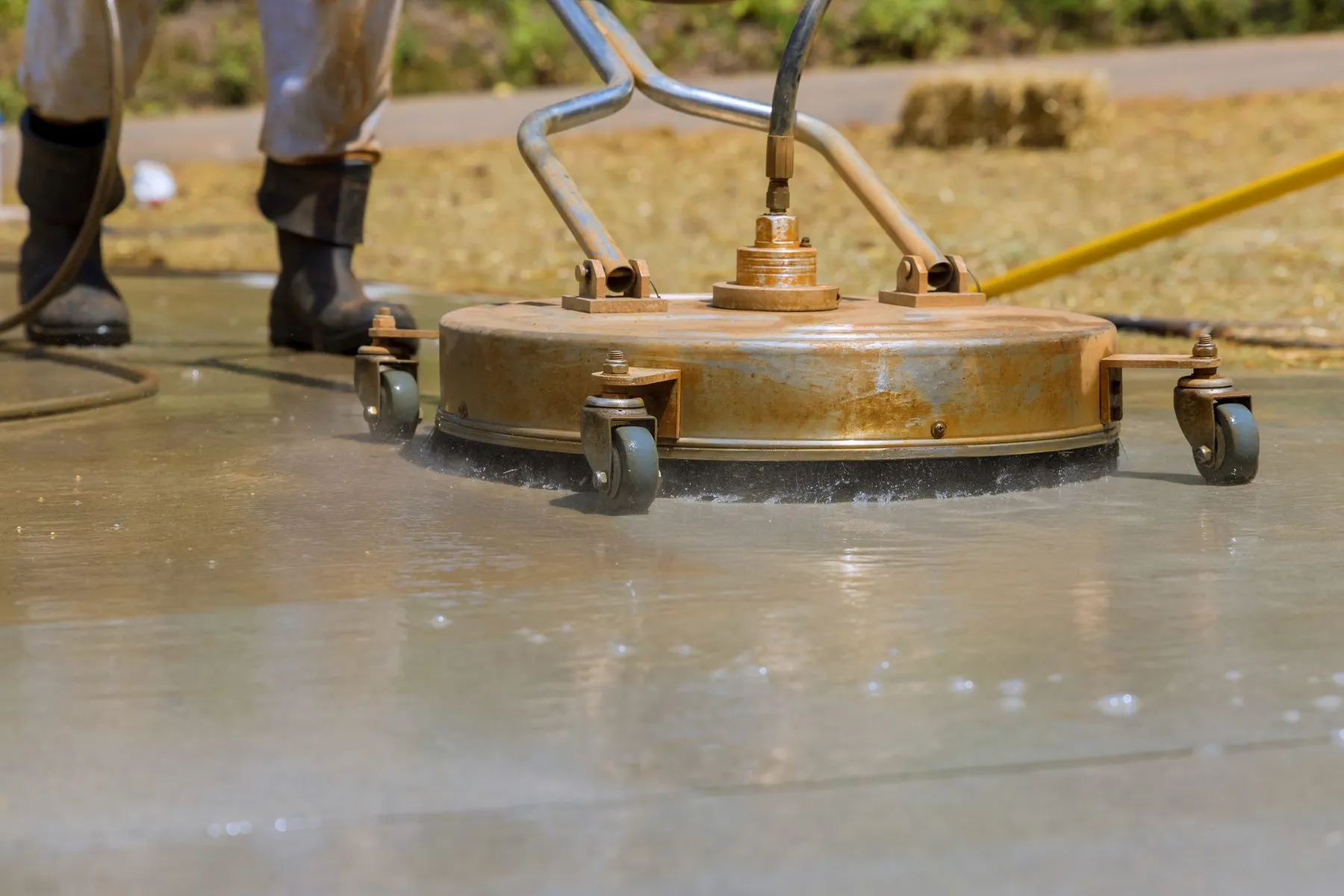
In New Orleans, the best times of year to pressure wash a driveway are late spring, once the pollen and spring oak leaf drop have finished, and late fall, after hurricane season ends on November 30. Washing then clears the season’s film and debris without a fresh layer landing straight back on it. Within either window, pick a mild morning or an overcast day so cleaner never dries on hot concrete.
At Big Easy Lawn Care, we pressure wash driveways, walkways, and patios across New Orleans as part of our lawn and yard maintenance. Before the question of how, there is the question of when.
Timing matters here more than in drier places. Our humidity, tree cover, and long warm season mean concrete grows a green film faster than most of the country.
Washing at the wrong point in the year means doing it twice. Contact us today to have your driveway assessed and scheduled properly.
When Is the Best Season to Pressure Wash a Driveway in New Orleans?
The best seasons are late spring, after the pollen and the live oak leaf drop, and late fall, after hurricane season ends on November 30. By then pollen, storm debris, and leaf tannin have finished landing, so the surface stays clean, and the cooler, less humid days help the concrete dry.
Late Spring, After the Pollen and Leaf Drop
Washing in early spring usually means washing again once the pollen finishes falling. Pollen here is heavy enough to leave a yellow film of its own on clean concrete within days.
Live oaks also drop most of their leaves in a short window each spring, according to LSU AgCenter. Wait until that drop and the pollen are over, then wash once and get a surface that holds.
Watch the cars on the street rather than the calendar. Once they stop turning yellow overnight, the window is open.
Late Fall, After Storm Season Ends
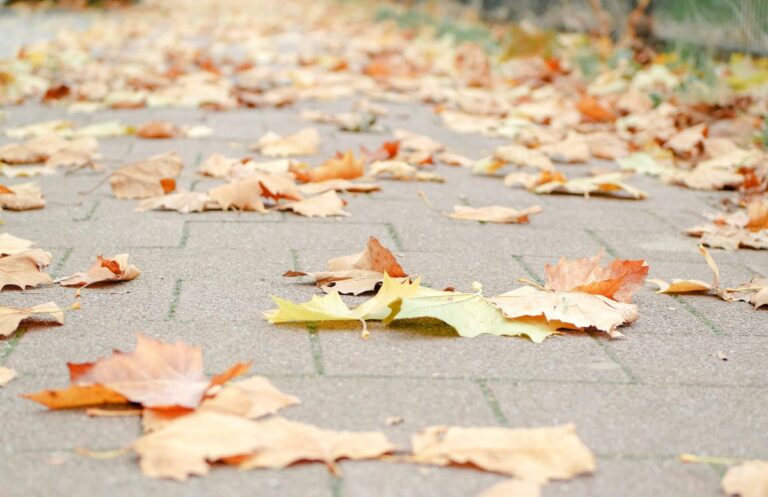 Washing after the season’s debris has come down clears leaf tannin, grit, and whatever the storms left behind. It also gives you a clean surface going into the cooler months.
Late fall is the right choice if you plan to seal. Sealer needs a clean, fully dry surface and temperatures within its label range, and the less humid weather helps the concrete dry out.
Avoid Full Afternoon Sun in Any Season
Cleaner that dries on hot concrete before it is rinsed leaves streaks. Working in morning shade gives the solution time to do its job.
Plan around the surface temperature rather than the air temperature. Concrete in direct sun runs far hotter than the day feels, even in spring.
An overcast day works as well as a shaded morning. Either one keeps the cleaner wet long enough to rinse it off evenly.
Step 1: Read the Surface Before You Book Anything
The surface tells you whether it needs washing and what kind of dirt you are dealing with. Two minutes of looking saves a wasted appointment.
Look for Green or Black Film
A green tint usually means algae, and it shows up first on the shaded side of a drive or under a low branch. Black streaking is often mildew and tends to follow the paths water takes.
Both hold moisture against the concrete and both make the surface slick. If the color rubs off on a wet fingertip, it is growth that washing will lift.
Check the north side of the house and anywhere a fence throws shade for most of the day. Those areas grow film well before the open sections do.
Test How Slippery It Is After Rain
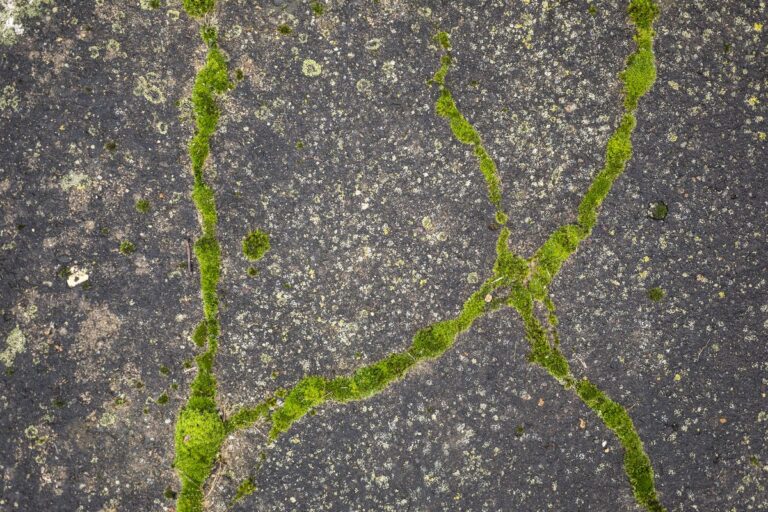 Walk the surface the morning after rain and pay attention to grip. A drive that feels greasy underfoot has a film thick enough to be a real fall risk.
That test matters more than appearance. A surface can look acceptable and still be slick on a slope or a step, so check those sections first.
Older residents and children feel the difference before anyone else does. If someone has started taking a longer route around the drive, the surface is already telling you it is due.
Check for Staining That Washing Will Not Fix
Oil, rust, and tannin staining from leaf litter can outlast an ordinary wash, and oil that has soaked deep into porous concrete may not come out completely. Before our pressure washing service puts any water down, we look at what each surface is made of and how heavy the buildup is.
Leaf tannin is the one that surprises people here. A pile of oak leaves left through a wet spell leaves a brown outline that survives an ordinary wash.
Step 2: Prepare the Driveway Before the Water
Most of a good result is decided before the machine starts. Three jobs come first.
Clear the Debris
Sweep or blow the drive clear of leaves and grit first. Washing debris around just redistributes it and clogs the drainage.
Where a yard has heavy leaf fall, our clean up and hauling service rakes and gathers the leaves, then hauls them off the property.
Check the street drain the runoff will reach as well. Clear the grate before you start and look again when you finish, so the next rain does not pool at the curb.
Pre-Treat the Stains
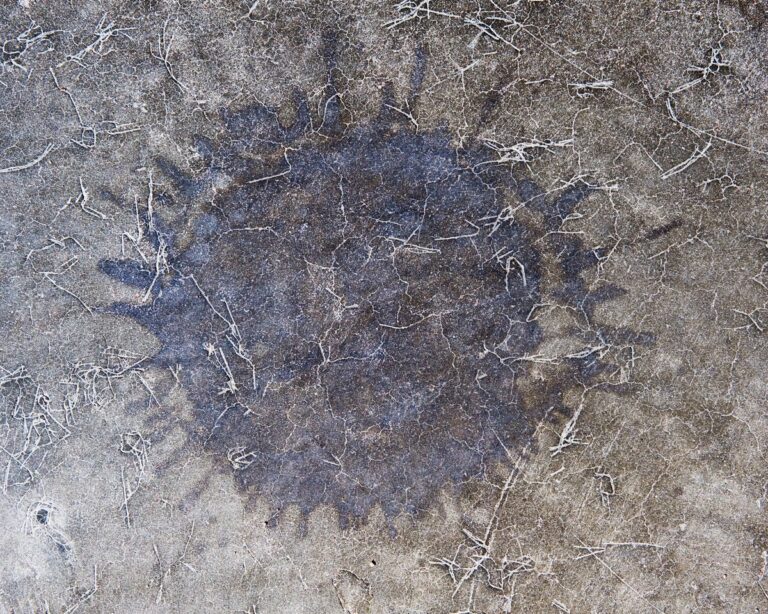 Apply a cleaner made for concrete to oil spots and heavy film, and give it the dwell time the label calls for. Water alone rarely lifts grease.
Keep the product off the lawn and beds. Treat only the marks that need it rather than flooding the whole drive.
Expect some marks to lighten rather than vanish. Oil that has soaked deep into porous concrete may not come out completely, so set that expectation before the wash starts.
Protect the Planting Beds and the Drain
Wet the beds beside the drive so the soil is already saturated, then rinse them again afterward. Rinse water that reaches a street drain in New Orleans flows untreated toward Lake Pontchartrain, so keep detergent use light.
Using cleaner only on the stains that need it also cuts the risk to nearby plants. The less product that goes on the drive, the less reaches the beds or the street.
Step 3: Work in the Right Order
Order of operations decides whether you wash once or wash twice. Runoff carries dirt downward, so anything above a clean surface will dirty it again.
Clean higher hard surfaces first, such as steps, a raised patio, or a walkway that drains onto the drive. Finish with the lowest surface on the property so nothing runs across work you have already done.
The same logic applies within a single drive on a slope. Start at the high end and let the runoff carry dirt toward the section you have not reached yet.
Step 4: Match Pressure to the Surface
Concrete, pavers, and older slabs tolerate very different pressure. Using one setting across a property is how surfaces get damaged.
| Surface | Approach | What Goes Wrong |
|---|---|---|
| Poured concrete drive | Highest tolerance, surface cleaner attachment | Wand striping if the operator works too close |
| Brick or paver patio | Moderate, wider fan, more distance | Joint sand blown out, pavers loosen |
| Stamped or colored concrete | Reduced, wide fan, test a corner first | Sealer or surface color worn away |
| Older or cracked concrete | Reduced, test a hidden corner first | Water forced into cracks, spalling worsens |
Replace any joint sand that comes out of a paver patio. Open joints let weeds seed straight in, and our weed cutting service clears the growth that takes hold there.
Get the Timing Right and Wash It Once
A driveway washed at the wrong point in the year is a driveway washed twice. The film comes straight back when the pollen is still falling or the storms have not finished.
At Big Easy Lawn Care, we read the surface, schedule around the season, and match pressure to what is actually there. Call us today to get your driveway on the right schedule.
Frequently Asked Questions
What do you put on a driveway before pressure washing?
Start with a sweep to clear leaves and grit, then pre-treat oil spots and heavy film with a cleaner made for concrete and let it sit for the time the label gives. Wet the planting beds beside the drive first. Plain water handles the rest of the surface on most driveways.
Is it good to pressure wash a driveway?
Yes, when it is done at the right pressure. Washing removes algae and mildew that hold moisture against the concrete and make it slippery, especially on shaded drives. Too much pressure or a wand held too close can etch or stripe the surface, so match the setting to the material.
How often should you pressure wash a driveway?
There is no fixed calendar for a New Orleans driveway, and shaded drives under tree cover usually need it most often. Judge by the surface instead: green or black film, dark staining, or a slick feel after rain means it is due. Sunny, well-drained sections can go noticeably longer between washes.
Why is my driveway green?
A green tint is usually algae, which thrives in the shade and humidity we get for much of the year. It appears first on the shaded side of a drive or beneath overhanging branches. It holds moisture against the concrete and makes the surface slippery, so it is worth removing rather than ignoring.
Can pressure washing damage concrete?
It can, particularly on older or already cracked slabs where water gets forced into the cracks. Holding the wand too close also leaves visible striping. Test a hidden corner first and reduce pressure on any surface showing spalling, wear, or existing damage before washing the whole drive.
Should I pressure wash before or after sealing?
Always wash first. Sealer traps whatever is on the surface underneath it, so sealing over algae or staining locks the problem in. Let the concrete dry fully after washing before any sealer goes down, which is one reason the milder days of late fall suit this job.
Does pressure washing kill plants?
Detergent runoff can harm plants in the beds beside the work area. Wet the beds thoroughly before starting so the soil is already saturated, then rinse them again afterward to dilute anything that reached them. Using cleaner only on the stains that need it also cuts the risk.
Will pressure washing remove oil stains?
Pressure washing can lighten a surface oil stain, but oil that has soaked deep into porous concrete may not come out completely. Pre-treating the spot with a cleaner made for concrete helps. Identify oil, rust, and leaf tannin marks before the work starts and set expectations for what will lift.