By
BigEasyLawnCare
 Oct 19, 2026

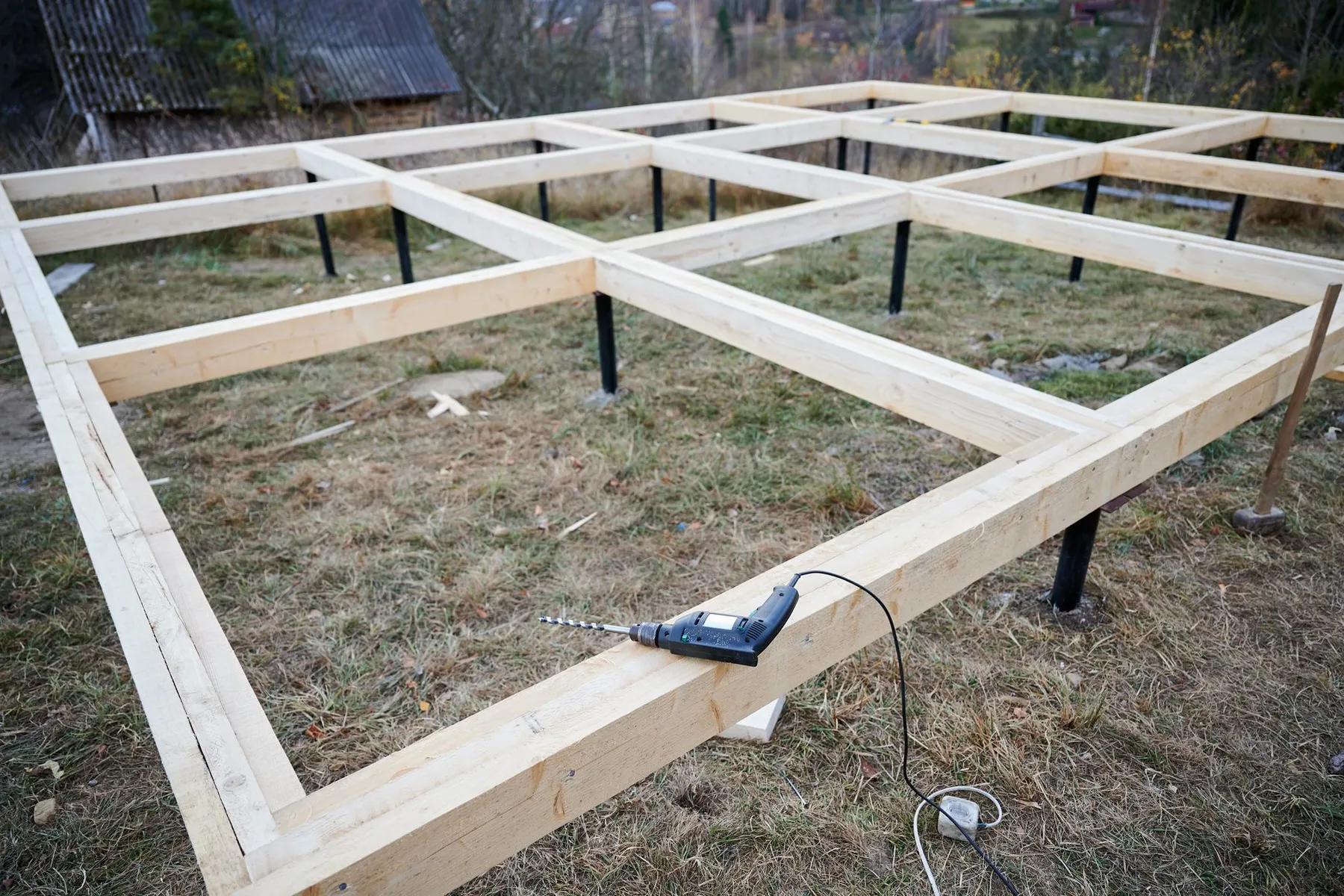
You should not build a deck directly on grass in New Orleans. Turf left under the boards loses its light, dies, and breaks down, which keeps the ground damp right where the frame sits, and LSU AgCenter advises avoiding wood-to-soil contact. Strip the grass from the footprint, make sure water drains away from the house, and plan how the lawn around the build will be protected and repaired.
At Big Easy Lawn Care, we build decks and repair lawns, so we see both sides of the job. A finished deck can look great while the yard around it still looks like a construction site.
That is rarely the builder being careless. It is the result when nobody decides in advance what happens to the grass, where the machinery goes, and where the lumber sits.
A short conversation before the build saves a full restoration after it. Contact us today to have the yard prepared before the work begins.
What Happens to Grass Left Under a New Deck?
You should not build a deck directly on grass. Grass left under a new deck dies: once the boards are down it gets almost no light, so the turf yellows, thins, and breaks down in place, and the decaying grass holds moisture against the soil right under the frame.
That is why the turf in the footprint comes out before anything is built, rather than being left to rot. Damp, shaded ground under a deck is where moss and rot problems start. In our humidity and rain, that ground can stay wet for long stretches, and LSU AgCenter advises building so that wood does not touch soil.
Removing the turf also tells you what you are building on. Once the grass is gone, low spots, soft ground, and surface roots are easy to see and deal with while the area is still open.
Nobody Plans the Route, and That Is the Real Cost
The footprint is only part of the lawn at risk. Ask where material will be stacked and the honest answer is usually wherever there is room.
The Access Strip Is Always the Casualty
Crews walk the shortest line between the gate and the build. Over a couple of weeks that line can get compacted to the point where grass will not return without help.
Pick that strip deliberately instead of letting it happen. A route along a fence line costs you far less than one straight across the front lawn.
Lay overlapping plywood along it if the work runs more than a few days, which helps protect the grass surface. Research shows plywood does little to stop compaction from heavy machines, though, so keep those off the lawn wherever you can.
Material Storage Damages Turf in Days
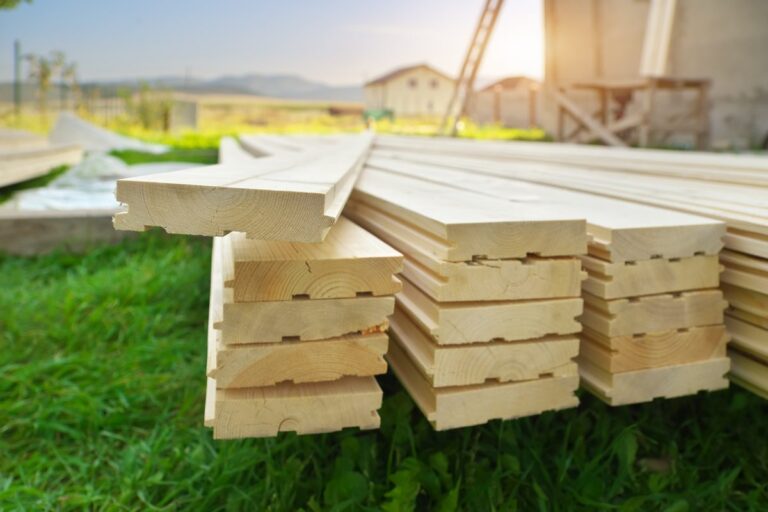 A pallet of lumber sitting on grass blocks light and traps heat underneath. In our summer heat the turf below can be badly damaged within days.
Designate a storage spot on the drive or on plywood laid over the lawn. Both work, and both are cheaper than replacing sod.
Remember that the spot will be occupied for the whole job, not just the first day. Pick somewhere you can live with losing rather than the middle of the lawn.
Machinery Compacts More Than It Looks
A mini excavator or auger leaves ruts, but the hidden damage is compaction that stops roots growing. That problem lingers long after the ruts are raked smooth.
Ask what equipment is coming and how heavy it is. The answer changes where you let it travel.
Keep machines off the root zones of mature trees as well. Compacted soil over tree roots is hard to undo and easy to avoid.
Sort the Drainage Before Anything Is Built
A deck changes how water moves across the yard for good. Walk the yard during or right after heavy rain and note the path water takes, because a structure that sits across that line becomes a dam.
Once the turf is stripped, check that the bare ground falls away from the house. Water that runs back toward the foundation will sit under the deck where nobody sees it, and correcting the grade now is far easier than after the boards go down.
Rain also sheds off a deck along its edges, and a roofed deck or covered pergola concentrates it into a single line where grass erodes and thins. Our landscape drainage service can regrade or channel that water while the ground is still open.
Mark What Is Buried Before Anyone Digs
Post holes go deep enough to find things, and in older New Orleans neighborhoods that includes lines nobody documented. Call 811 at least two business days before digging to have utility lines located and marked.
Marks usually stop at the meter or the start of the service line, so irrigation, landscape lighting, and gas to a grill are usually yours to identify. Irrigation lines are the ones most often forgotten, and paint marks fade fast in Gulf Coast weather, so photograph them before work starts.
Live oak roots run shallow and spread well past the canopy, and cutting them can harm the tree. Flag any large root you find while the turf is coming up, because moving a post is easy and losing a mature tree is not.
Decide What Gets Restored and When
Some turf loss is unavoidable on any build. Planning the repair in advance keeps it small.
Lift and Save Turf Where It Is Practical
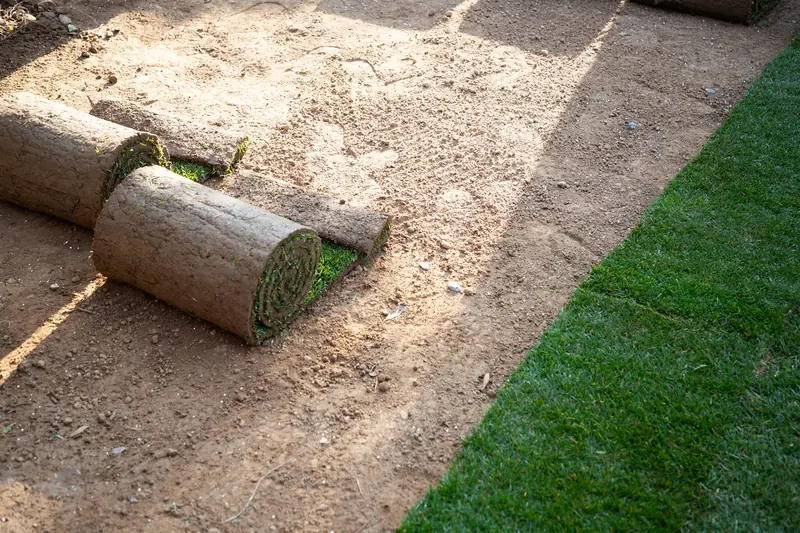
The sod stripped from the footprint can sometimes be used to patch damage elsewhere. It has to be kept moist and relaid quickly.
This works best on a small footprint. On a large build it is usually not worth the handling.
Repair After the Crew Has Gone
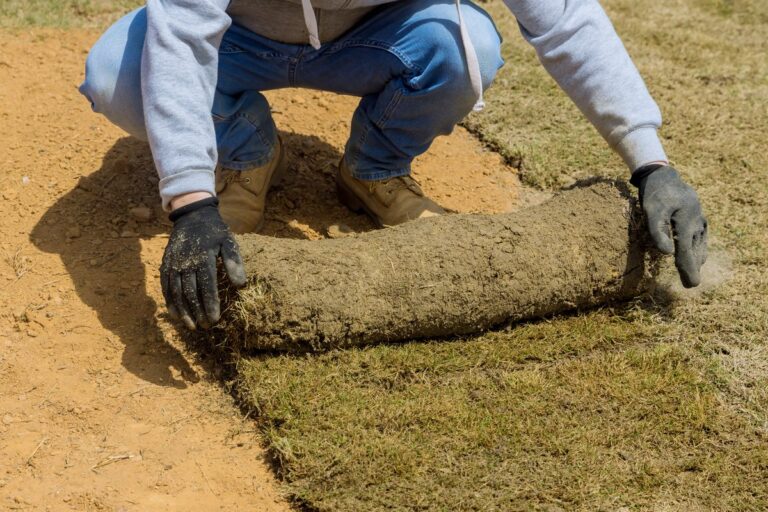 Laying new turf while equipment is still moving wastes it. Wait until the last delivery has arrived and the crew is off site.
Our outdoor deck service and lawn repair are easier to schedule together for exactly this reason.
Budget the Repair Into the Project
Yard repair is easy to leave out of a project budget, and homeowners often find that out afterward. Treating it as part of the job keeps the numbers realistic.
Where the yard has taken heavy damage, our landscape restoration service rebuilds soil and turf together rather than patching.
Plan the Ground and the Build Together
The deck is the part everyone pictures. The yard around it decides whether the finished space actually looks good.
At Big Easy Lawn Care, we plan the deck around your yard’s drainage and access, and we repair the lawn once the build is finished. Call us today to get your yard ready before the build begins.
Frequently Asked Questions
How to prepare the ground before building a deck?
Strip the grass and roots from the footprint, then check that the bare ground falls away from the house so water does not collect underneath. Call 811 to have utilities marked before any digging. Plan the crew’s access route and material storage at the same time so the rest of the lawn is protected.
How to prevent grass under a deck?
Remove the turf and its roots from the footprint before the frame goes in, rather than leaving it to die under the boards. Then cover the bare soil so light cannot reach it, which stops grass and weeds coming back. Keep the edges trimmed so the lawn does not creep in from the sides.
How do you protect a lawn during construction?
Choose the access route deliberately rather than letting the crew pick the shortest line, and lay plywood or boards over any strip that will take repeated traffic. Store materials on the driveway or on protective sheeting. Both steps cost very little compared with replacing compacted sod afterward.
Do you need to call before digging for deck posts?
Yes. Call 811 at least two business days ahead to have utility lines located and marked, which helps prevent a dangerous strike. Marks usually stop at the meter or service line, so irrigation, landscape lighting, and gas runs to a grill are yours to identify before the first post hole goes in.
Will a pergola damage my lawn?
The structure itself does little harm, but the build process can. Post holes, equipment traffic, and material storage cause most of the damage. A covered pergola also concentrates roof runoff along one line, which erodes the grass beneath it unless you plan where that water goes.
Should I lay sod before or after building a deck?
After. New turf laid before construction tends to get destroyed by equipment and foot traffic, and the money is wasted. Schedule the repair for after the final delivery and once the crew has left the site, then keep the new sod watered while it roots.
How long does it take grass to recover from compaction?
Longer than most homeowners expect, because compaction stops roots growing rather than simply damaging blades. Aeration relieves it, but only once the traffic that caused it has stopped. Badly compacted strips often need the soil opened up and the turf replaced before they look right again.
Can you build a deck around a tree?
Sometimes, though it depends on the tree and its roots. Live oak roots run shallow and spread well past the canopy, and cutting them can harm the tree. Flag large roots when the turf comes up so post positions can shift around them, and keep heavy machines off the root zone.