By
BigEasyLawnCare
 Oct 12, 2026

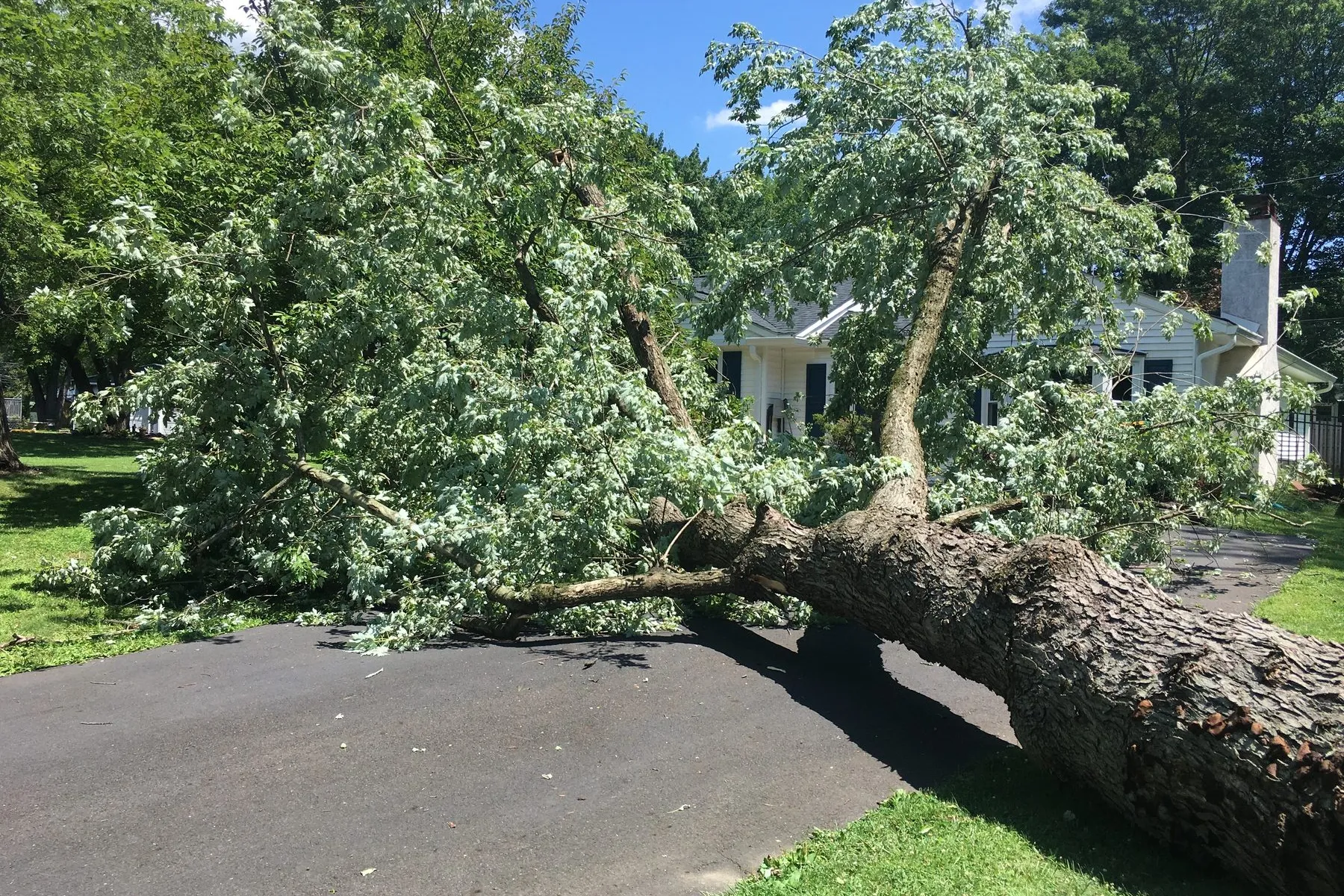
Yard cleanup in New Orleans usually includes raking up leaves and clippings, picking up fallen branches and limbs, cutting back overgrown grass, weeds, and vines, and hauling the debris off the property. After a storm it starts earlier, with a safety check for downed lines and hanging limbs, then clearing drains and sorting debris by type, because City of New Orleans curbside pickup takes only a limited amount of yard waste at a time.
At Big Easy Lawn Care, we gather, load, and haul storm debris for homeowners across New Orleans and the North Shore. Every yard looks like the same problem, and almost none of them are.
What separates a fast cleanup from a slow one is the order of work. Homeowners who start with the biggest pile usually finish last.
This guide covers what a cleanup includes and the order of work that makes sense after a storm. Contact us today if you want the debris cleared and hauled rather than stacked at the curb.
What Is Included in a Yard Cleanup After a Storm?
Yard cleanup includes raking leaves and clippings, gathering fallen branches and limbs, cutting back overgrowth, and hauling the debris away. After a storm it also includes a hazard check, clearing drains and low spots, and sorting debris by type. The order matters, because skipping the safety or drainage step means doing work twice.
Ordinary seasonal cleanups cover the same core jobs without the hazards. Our clean up and hauling service loads what we clear and takes it off the property for you.
The difference after a storm is volume. City of New Orleans curbside pickup takes fewer than six bags of yard waste and fewer than six bundles of small limbs at a time, so a storm-damaged yard usually needs hauling. Our guide to yard cleanup cost in New Orleans explains how that haul volume shapes the price.
How Do You Check That the Yard Is Safe?
Storm debris hides hazards that are not obvious from the porch. Walk the property and look before you carry anything.
Treat Every Downed Line as Live
Assume any wire on the ground or draped through a tree is energized. That includes lines that look like cable or phone, because storms bring them down together and they tangle.
Keep everyone well clear and report it to the utility. Downed or underground lines can also charge standing water, so stay out of any puddle near a fallen wire.
Watch for lines buried under debris rather than lying in the open. A limb pile can be sitting on a conductor nobody can see from the drive.
Look Up for Hanging Limbs
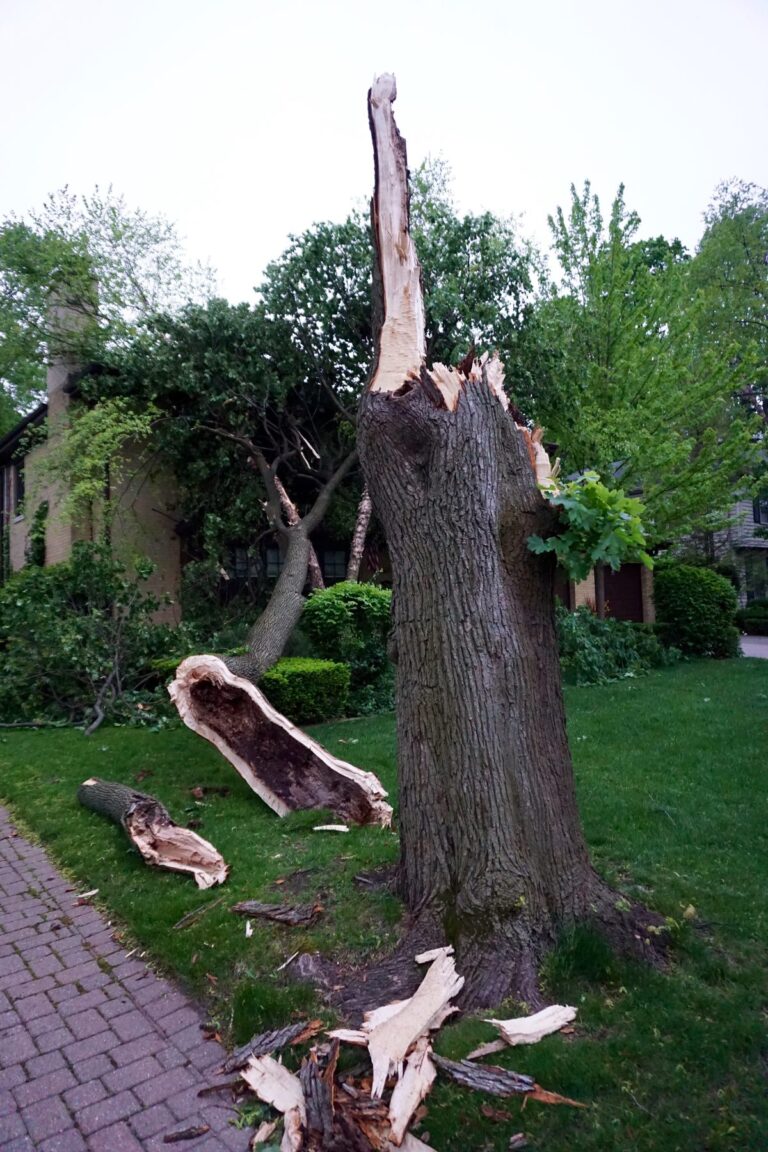 Limbs that broke but did not fall are among the most dangerous things in a storm-damaged yard. They sit lodged in the canopy and can come down without warning in the next breeze.
Scan the trees above every area you plan to work in. Anything hanging, or anything near a structure or a utility line, needs a certified arborist, not a ladder.
Look closely for limbs that have split at the trunk but stayed attached. Those are under tension and can release in either direction when disturbed.
Stay Out of Floodwater
Floodwater can carry pathogens that cause illness, and it can hide debris, chemicals, waste, and wildlife. Federal guidance from Ready.gov is plain: do not wade in it.
Wait for it to recede before working that part of the yard. Wear protective clothing, work with someone else, and photograph any damage for your records before you move anything.
Why Does Storm Debris Need Sorting?
Collection programs treat different debris types differently, and mixing them is a common reason a pile sits uncollected. Sorting as you go costs nothing. For branches alone, our guide to disposing of tree branches in New Orleans covers the City bundle rules.
- Vegetative: limbs, leaves, trunks, and shrubs, usually collected and processed separately from everything else
- Construction: lumber, roofing, fencing, drywall, and soaked carpet and furniture, which get different handling and often a different collection pass
- Appliances and electronics: refrigerators, washers, stoves, TVs, and computers, often picked up as their own categories apart from both piles above
- Hazardous: oil, paint, batteries, pesticides, and cleaners, handled under separate rules and never in a general pile
Check your parish guidance for the current storm before stacking anything. Rules can change between events and between parishes.
Why Clear Drainage Before Anything Else?
Drainage is the step many homeowners skip, and it is the one that costs them twice. Debris blocking a drain turns the next ordinary rain into standing water.
Open the Storm Drains and Gutters
Leaves and small debris pack into street drains during a storm and stay there. Clearing the grate in front of your property protects your own yard first.
Do the same for gutters and downspouts. A blocked downspout dumps roof water straight against the foundation.
Check the outlet at the bottom of each downspout as well. A pipe clear at the top and blocked at the base still sends water where you do not want it.
Find and Clear the Low Points
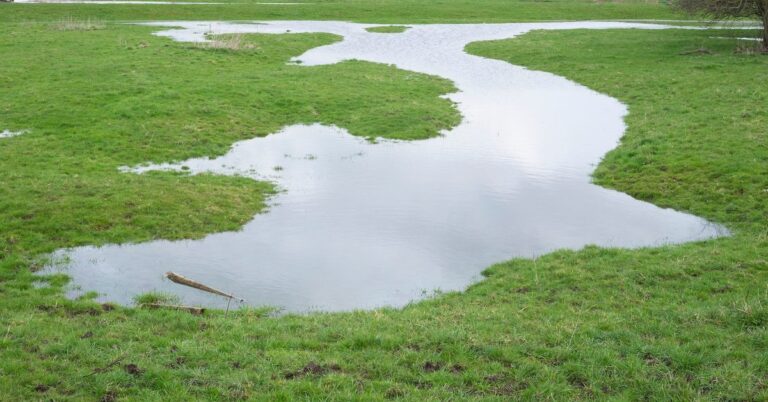 Every yard has places water collects, and debris concentrates in exactly those spots. Clearing them restores the drainage path the yard was built around.
Walk the property while it is still wet, because the water shows you where to work better than a dry inspection will. Photograph the standing water before it drains, since those images help when you plan drainage work later.
Note which low points held water longest. Those are the spots that will flood first next time.
Move Piles Off the Drainage Path
A debris pile sitting across a swale dams it. Stack at the curb or on high ground, never in the low line water follows.
Keep piles clear of storm drain grates, fire hydrants, and meters too. Crews need to reach them, and a pile on a grate blocks the drain you just opened.
Where the volume is beyond bags, hauling it away beats relocating it around the yard twice.
How Does a Storm Damage the Lawn?
Turf under debris and water changes fast, and the damage is not always visible on day one.
Debris Left in Place Kills Turf Quickly
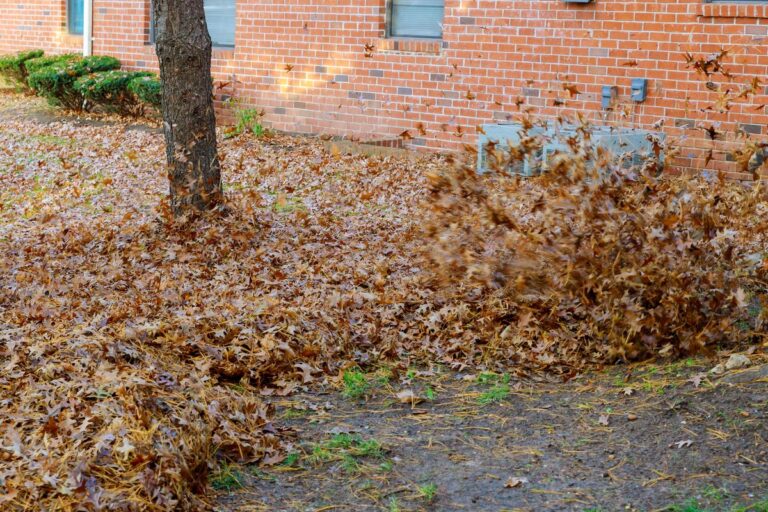 Grass under a tarp, a pile, or a sheet of fallen fence starts to decline quickly in our heat and humidity, because it is cut off from sunlight. Move anything lying flat on the lawn before you deal with scattered limbs.
Fence panels, sheets of roofing, and plywood are the worst offenders. They seal the surface completely and block light from whatever is beneath them.
If you cannot remove something immediately, lift and prop it so air moves underneath. Even a few inches of clearance helps.
Silt and Sediment Smother the Stand
Floodwater can leave a layer of fine sediment that seals the soil surface. Water then runs off rather than soaking in, and roots struggle underneath.
Light sediment can be raked off, but avoid washing it into the soil, which can cause drainage problems later. Heavy deposits usually need removing before the lawn recovers.
Sediment can also bury the crown of the grass, which is the growing point. Once that is covered, the stand thins from underneath.
Saltwater Intrusion Needs Different Handling
Where surge reached the property, salt in the soil is a separate problem from the debris. Elevated salt levels can damage turf, and it can show as grass that browns or thins after the floodwater is gone.
Flushing the soil thoroughly with fresh water helps where drainage allows it. Our landscape restoration service repairs or replaces lawn and plantings that do not come back.
Get the Yard Cleared in the Right Order
Storm cleanup is not really about hauling. It is about sequence, because clearing in the wrong order means doing parts of it twice.
At Big Easy Lawn Care, we gather the leaves, limbs, and scattered debris a storm leaves behind, then load it and haul it off the property. Call us today to get your property cleared safely after the next storm.
Frequently Asked Questions
How long does it take to clean up from a hurricane?
It depends on how much debris came down, how easy the yard is to reach, and how quickly collection runs in your area. A small yard with clear access usually goes faster than one with heavy limbs or flood damage. Hanging limbs, downed lines, and flood damage add time because they need professional handling.
What should you not do after a hurricane?
Do not wade in floodwater, touch wet electrical equipment, or go near downed power lines, which can charge standing water. In the yard, do not climb into trees to free hanging limbs, mix debris types in one pile, or stack debris across drains and swales. Follow local officials’ instructions before starting any cleanup.
What should you do first after a hurricane in your yard?
Check for hazards before touching anything. Look for downed lines, limbs hanging in the canopy, and standing water hiding debris underneath. Once the property is confirmed safe, clear drainage paths first so the next rain does not undo the work, then move outward from the house.
How do you dispose of storm debris in New Orleans?
Separate vegetative debris, construction material, appliances and electronics, and hazardous items into distinct piles, because collection programs handle each differently. Mixed piles are often left behind. Check the guidance issued for that storm, since rules can change between events, and remember that regular curbside pickup only takes limited yard waste.
Why does grass die under storm debris?
Anything lying flat on turf blocks light and traps heat and moisture against the blades. In our climate grass under a tarp or pile starts to decline quickly. Move flat objects off the lawn ahead of scattered limbs, which do less immediate damage to the grass underneath them.
Can a lawn recover from flooding?
Often, yes, depending on how long water sat and what it carried. Fine sediment left behind seals the soil surface and needs raking or removing so water can reach the roots again. Saltwater intrusion from storm surge is a separate problem and needs flushing with fresh water where drainage allows.
What is considered vegetative debris?
Vegetative debris is limbs, branches, leaves, trunks, and removed shrubs. It is usually collected and processed separately from construction debris and household trash. Keeping it free of fence panels, shingles, and soaked furniture is what keeps the pile eligible for that separate collection after a storm.
Should I clear gutters after a storm?
Yes, and early. Storms pack gutters and downspouts with leaves and small debris, and a blocked downspout sends roof water straight against the foundation. Clearing them is part of restoring drainage before the next rain arrives, so do it alongside the street drain in front of your property.