By
BigEasyLawnCare
 Nov 6, 2026

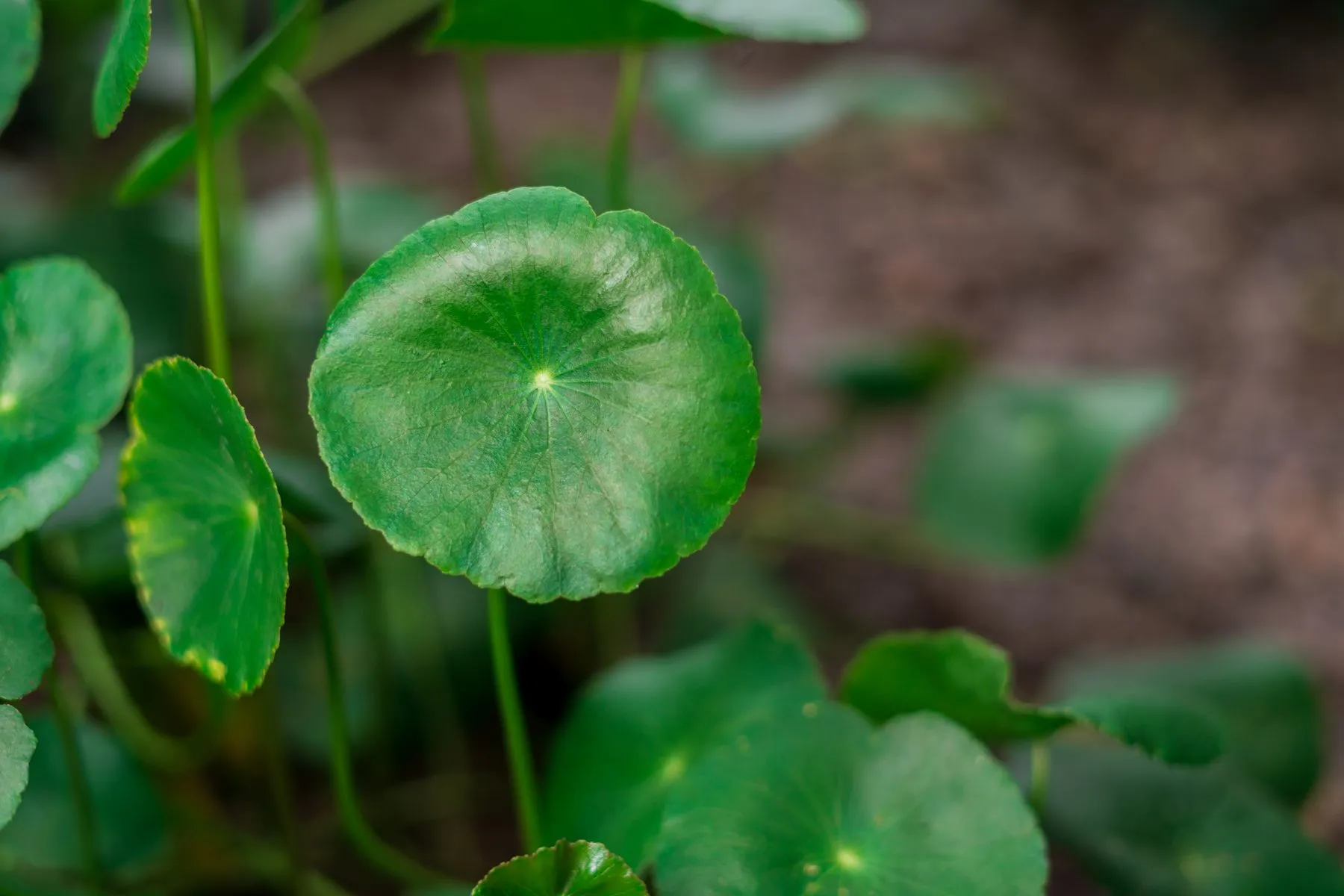
You get rid of dollarweed in a New Orleans yard by drying out the soil it loves. Water less often, fix the low spots where rain sits, and keep the grass thick at its proper mowing height. Pull small patches with their underground stems, and use a herbicide labeled for your grass only when those steps fall short.
Last Updated: November 6, 2026
Table of Contents
At Big Easy Lawn Care, we cut and care for lawns across New Orleans, and dollarweed is a familiar sight in them. Its round, bright green leaves tend to fill the dampest spots in a yard first.
LSU AgCenter calls dollarweed, also known as pennywort, a perennial weed common throughout Louisiana. It spreads by seed and by underground stems, which is why mowing over it does little on its own.
This guide shows how to read what dollarweed is telling you about your lawn. It also covers the fixes that make it lose ground, from watering habits to drainage and mowing height.
What Gets Rid of Dollarweed in a New Orleans Lawn?
Dollarweed fades when the conditions that feed it change, and a herbicide labeled for your grass can follow if needed. LSU AgCenter and Mississippi State University Extension point to similar first steps: drier soil, better drainage, thick turf and hand removal.
Drier Soil Comes First
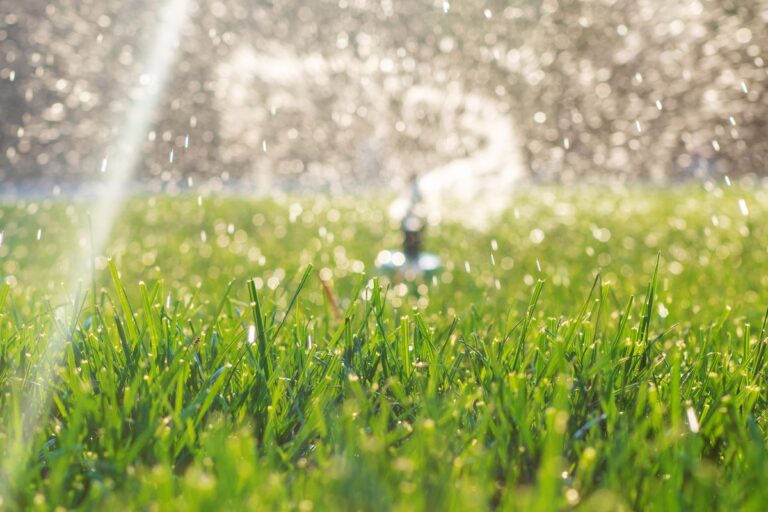 Dollarweed is a moisture-loving plant, and LSU AgCenter says it is typically found in lawn areas with moist or wet soil. Take away the extra water and the weed loses its main advantage over the grass.
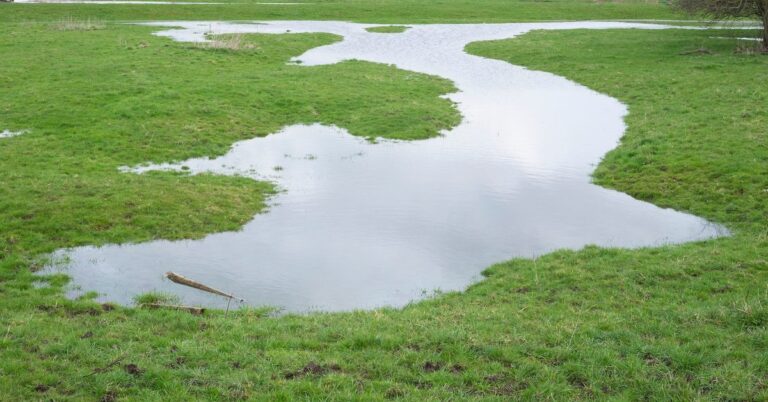
The same LSU AgCenter guidance adds that improving drainage may be necessary for long-term control. In a yard where rain stands for days, that can mean regrading a low area or giving the water a path out.
Our yard drainage service plans each fix around local soil and heavy Gulf rain. Once a soggy spot drains, the grass there has a real chance to fill back in.
Thick Turf Leaves No Room
A dense lawn is the best long-term defense. LSU AgCenter says regular mowing, proper fertilization and soil pH management promote dense, vigorous turfgrass that competes with weeds.
Mowing height matters here. LSU AgCenter lists 2.5 to 3 inches for St. Augustinegrass and 1 to 2.5 inches for centipedegrass. Thin turf leaves gaps for weeds, while a dense, healthy lawn out-competes most of them for space.
On our lawn cutting service, the mower is set for your grass type and raised where the lawn sits in shade. For broader weed habits, see our guide on how to keep your garden and lawn weed-free.
Removing the Rhizomes by Hand
Hand pulling works on small patches, as long as the roots come too. UF/IFAS advises getting all of the white rhizomes along with the plant, since those underground stems are how it spreads.
Mississippi State University Extension goes further. Its dollarweed publication calls periodic hand removal often the most effective control measure.
Small patches are the easiest place to start. Check the spot again a few weeks later and lift any new leaves before they spread.
Herbicides Labeled for Your Grass
LSU AgCenter notes that herbicides may be required in addition to good lawn care. It recommends applying post-emergent products in late spring, when dollarweed is visible in the lawn.
LSU AgCenter’s dollarweed guidance names metsulfuron as the most effective herbicide on this weed. Repeat applications may be needed, and every product must match your grass type.
Always read the label before anything goes on the lawn. LSU AgCenter says to follow the manufacturer’s labeled directions every time, and it presents herbicides as an addition to good lawn care.
Signs Your Lawn Is Feeding the Dollarweed
Dollarweed usually tells you something about your yard before you ever pull a leaf, since it grows where conditions suit it. Look at where the weed grows, when it spreads and how the grass around it looks, because each pattern below has a fix.
Round Leaves in Low, Wet Spots: A Drainage Clue
 Dollarweed has round, umbrella-like leaves with the stem attached at the center. It prefers moist soil and thin turf, so it fills the low, wet spots first.
Walk the yard the day after a heavy rain. If the dollarweed lines up with puddles along a fence, beside a patio or near a downspout, poor drainage is probably behind it.
In those spots, pulling or spraying only clears space for the next round. The ground has to dry out between rains before grass can hold that area.
Weeds After Daily Watering: An Irrigation Clue
Dollarweed usually appears where a gardener has overwatered, according to UF/IFAS. A sprinkler on a daily timer keeps the top of the soil wet, which suits the weed better than the grass.
Mississippi State University Extension recommends watering infrequently instead of every day. Its dollarweed publication says that reducing irrigation frequency may decrease dollarweed densities.
If the weed is thickest inside the spray pattern of your sprinkler heads, the schedule is a likely cause. Our guide to efficient irrigation for your garden and lawn covers how to water deeply and less often.
Thin Grass and Bare Ground: A Density Clue
Dollarweed moves into open ground faster than into a full lawn. Thin turf from low mowing, heavy shade or foot traffic leaves gaps it can creep into.
Heavy shade under large trees is one common cause. Our guide on growing grass in heavy shade explains what grass can and cannot do there.
Where grass is thin, the fix is to help it grow back thicker. That starts with the right mowing height and steady care through the growing season.
Patches That Return After Pulling: A Rhizome Clue
LSU AgCenter explains that dollarweed spreads through seed and rhizomes, which are underground stems. Its ability to spread underground and establish quickly makes it a difficult weed to control.
So a patch that returns in the same place a few weeks later was probably never fully removed. Pieces of rhizome left below the surface can send up new leaves.
Mowing alone will not clear it, because the underground stems sit below the blade. That is why a dense lawn at the right height matters more than any single cut.
Why Watering Less Often Works Against Dollarweed
Watering less often works because dollarweed favors moist to wet sites, and Mississippi State University Extension recommends watering infrequently over a daily schedule. A three-year study reported through UF/IFAS Extension shows how large the difference can be in test plots.
UF/IFAS Extension agent Larry Williams described a three-year study in a 2020 column. Weekly irrigation cut dollarweed to a 6% canopy, compared with a 30% canopy under daily irrigation.
Williams also wrote that an irrigation system should supplement rainfall. Running sprinklers on top of a week of storms adds water the lawn does not need.
In New Orleans, rain often does much of the watering for you. Check recent rainfall before the sprinklers run, and skip a cycle after a soaking storm.
Why New Orleans Yards Stay Friendly to Dollarweed
New Orleans gets plenty of what dollarweed needs, with NOAA’s 2021 climate normals putting the city’s airport at about 63 inches of precipitation a year. Low, poorly drained yards hold that water near the surface after each storm, and that favors dollarweed and other moisture-loving weeds.
The table below matches local conditions with what helps.
| Factor | Effect on Dollarweed | What Helps |
|---|---|---|
| Frequent heavy rain | Keeps topsoil wet for days | Skip sprinkler cycles after storms |
| Low spots and poor drainage | Standing water favors the weed | Regrade or add a drainage path |
| Daily sprinkler schedules | Constant surface moisture | Water deeply and less often |
| Thin or short turf | Open ground for runners | Mow at the right height for the grass |
Your grass type changes the mowing height and the herbicide choices too. Our guide to choosing the right grass type for your yard covers the common local options.
Dry Out the Lawn and Dollarweed Loses Its Hold
Dollarweed in a New Orleans lawn is usually a sign of too much water and too little grass. Fix the watering, the drainage and the mowing height first, then remove what remains by hand so the lawn can slowly take that ground back.
At Big Easy Lawn Care, we keep lawns cut at the right height and weeds cut back along fences, beds and walks. Call (504) 267-2333 to book a free weed cutting estimate for your yard.
Frequently Asked Questions
What kills dollarweed but not grass?
A selective herbicide labeled for your grass type can control dollarweed without harming the lawn when applied as directed. LSU AgCenter lists metsulfuron for St. Augustine, centipede, zoysia and bermuda lawns, and atrazine for the first three. Mississippi State University Extension cautions that atrazine can move through soil into groundwater, so read every label first.
Will vinegar kill dollarweed?
Vinegar can burn dollarweed leaves, but it is unlikely to get rid of the plant. UC IPM describes acetic acid as a nonselective contact herbicide that does not kill plant roots. It will also burn the grass it touches, and the weed’s underground stems can send up new leaves.
How do you get rid of dollarweed naturally?
Getting rid of dollarweed naturally means taking away the wet soil it needs and removing the plants by hand. Water less often, fix low spots that hold rain and keep the grass thick. Pull small patches by hand, lifting the white rhizomes so less is left to sprout again.
What are the worst weeds to have in a lawn?
In New Orleans lawns, weeds that thrive in moist soil are among the hardest to control. Dollarweed, nutsedge and Virginia buttonweed all tend to favor moist or wet soil. LSU AgCenter says single herbicide applications, especially late in the season, have not worked on mature buttonweed. Our guide on how often to cut weeds covers the cutting side, and our weed cutting service keeps them in check.