 By
BigEasyLawnCare
By
BigEasyLawnCare  Jul 16, 2026
Lawn Aeration and Dethatching: Reviving Your Grass for Lushness in New Orleans, LA
Thick, spongy turf usually means excess thatch, while hard, water-resistant soil means compaction, and New Orleans lawns often deal with both at once because of heavy clay and a humid climate. Dethatching removes the spongy layer smothering the roots, while aeration relieves compacted soil so water and nutrients reach deeper. Used together on the right schedule, the two processes turn a thin, struggling lawn into a lush, resilient one.
At Big Easy Lawn Care, we see a familiar pattern in New Orleans yards: soil that resists a shovel one week and grass that feels spongy underfoot the next. Both problems point to different root causes, and treating the wrong one rarely fixes a thin, struggling lawn.
Thatch and compacted soil often build up together in this region’s heavy clay and long humid season, but they call for different diagnoses and different tools. Understanding what each problem looks like, and how core aeration and dethatching address them, is the first step toward a lawn that actually bounces back.
This guide walks through how to spot the difference, what causes each issue in New Orleans conditions, and how aeration and dethatching work together to revive tired turf. Contact us today to talk through what your yard needs before the next growing season gets underway.
What Thatch Buildup Means for a New Orleans Lawn
A little thatch, the spongy layer between soil and grass, is normal. The table below shows how thatch and compaction differ, and which fix solves each.
| Problem | What It Looks Like | The Fix |
|---|---|---|
| Compacted soil | Water pools on the surface; a screwdriver stops 2-3 inches down | Core aeration |
| Excess thatch | Turf feels spongy; a finger sinks past 1/2 inch before hitting soil | Dethatching (rake or machine) |
| Both at once (common in New Orleans clay) | Soil feels hard AND turf feels spongy | Aeration and dethatching combined |
Healthy vs. Excess Thatch
About a half inch of thatch is healthy, insulating roots and holding moisture, but past roughly three-quarters of an inch it blocks water, air, and nutrients and raises the risk of pests and disease. Turfgrass specialists recommend waiting until thatch reaches that range before dethatching, since removing a thin, healthy layer does more harm than good.
What Thatch Is Made Of
Thatch isn’t leftover grass clippings; it’s mostly stolons, stems, and root material that breaks down slower than leaf blades. Compacted soil or slower microbial activity lets thatch outpace decomposition and build up fast.
Why It Builds Up Fast Here
New Orleans lawns build thatch faster than cooler, drier climates: the long growing season and near-constant humidity keep grass, stolons, and roots producing new material year-round, while that same moisture slows the soil activity that breaks old plant matter down.
How Thatch Differs From Grass Clippings
Grass clippings don’t cause thatch; they’re mostly water and break down within days. Real thatch problems trace back to overwatering, overfertilizing with high-nitrogen products, and mowing too short, which push stolons and roots to grow faster than compacted soil’s slower microbes can break them down.
Common Causes of Compacted Soil and Thatch in New Orleans Yards
Several regional conditions make compacted soil and thatch common, and knowing the cause helps decide how often a yard needs attention.
Heavy Clay Soil Composition
Much of greater New Orleans sits on dense clay soil, which packs far more tightly than sandy or loamy soil, leaving little room for air and water once foot traffic or equipment compresses it. Clay is also slower to recover, which is why regional guidance treats aeration as a near-yearly need.
Frequent Rain and Constant Moisture
Louisiana’s Gulf Coast climate brings more than 60 inches of rain in an average year (New Orleans’ 1991-2020 NOAA normal is 63.35 inches), heaviest during hurricane season, and moist clay compacts more easily than dry clay as soaking and drying cycles press it tighter, feeding thatch on top.
Foot Traffic and Mowing Equipment
Regular use wears on soil the same way rain does: kids, pets, and equipment on the same paths compress the ground, and that pressure adds up over a mowing season. A consistent lawn cutting service with well-maintained equipment eases the stress but doesn’t replace relieving compaction.
Overwatering and Overfeeding
Grass that gets more water or nitrogen than it needs grows faster than the soil can process, a common driver of thatch here, and a lawn watered on a fixed schedule or fed heavily for fast green-up often ends up matted within a season or two.
Warning Signs Your Lawn Needs Aeration, Dethatching, or Both
Compaction and thatch feel different underfoot, and each test takes under a minute.
The Screwdriver Test for Compaction
Push a screwdriver into moist soil after light watering: sliding in easily to 6 inches or more means compaction likely isn’t an issue, while stopping at 2 to 3 inches means the soil is too tight for roots, water, and nutrients. Surface pooling points to the same problem.
The Finger Test for Thatch
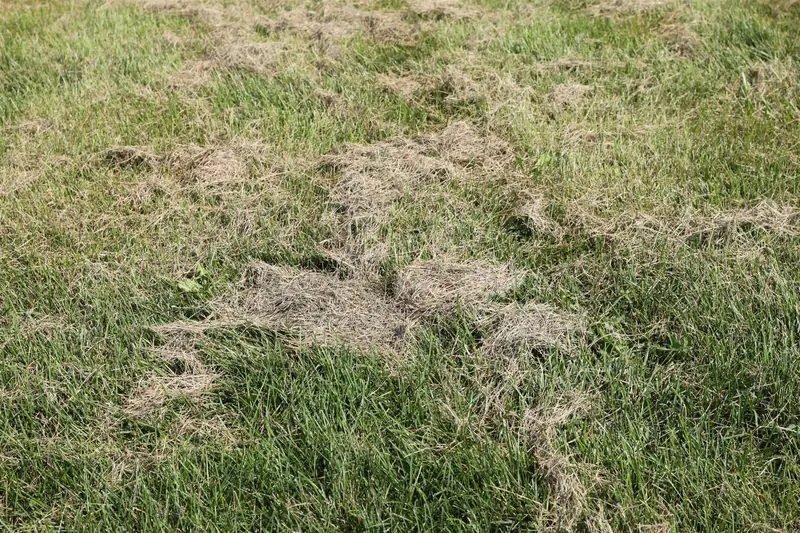
Press a finger through the grass to the soil line: more than about half an inch of spongy brown material before hitting soil means the thatch layer has passed the healthy range. Visible matting at the grass base is another sign of buildup.
Spongy or Matted Turf Underfoot
A lawn with excess thatch gives slightly underfoot instead of feeling firm, almost like walking on a thin mattress, one of the clearest signals that dethatching, not just aeration, is needed.
Thin Patches Despite Regular Watering
A lawn that stays thin despite consistent watering is often fighting compacted soil, which keeps water from reaching the root zone, or thick thatch, which keeps it from getting past the surface layer.
How Aeration and Dethatching Are Done and Work Together
Aeration and dethatching use different equipment for different problems, and method matters as much as timing.
Core Aeration Versus Spike Aeration
Core aeration uses hollow tines to remove small soil plugs, opening channels for air, water, and nutrients, while spike aeration just pushes solid tines in, compressing clay sideways instead of relieving it. For the region’s dense clay, core aeration is the better method.
Hand Raking Versus Machine Dethatching
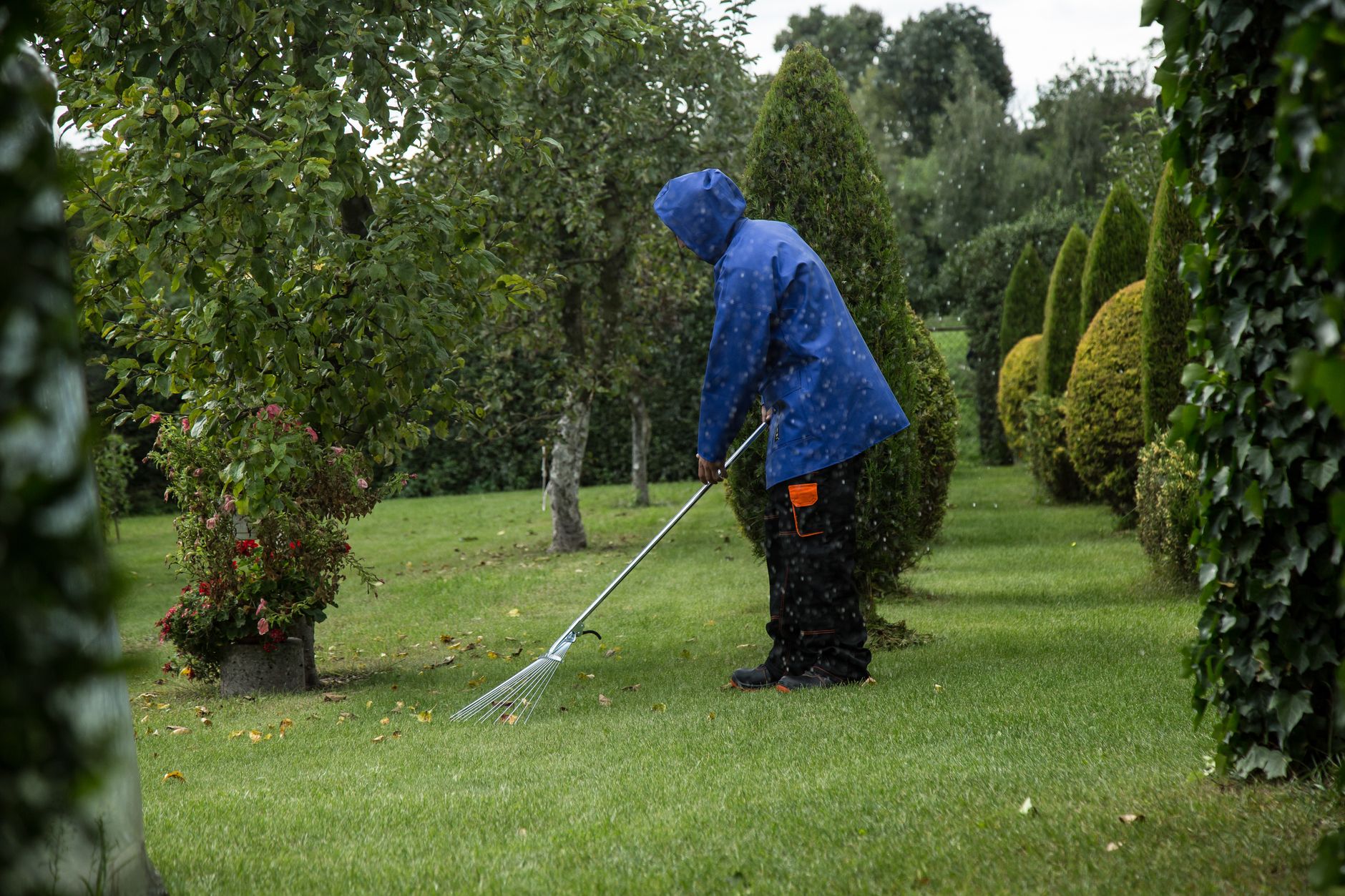
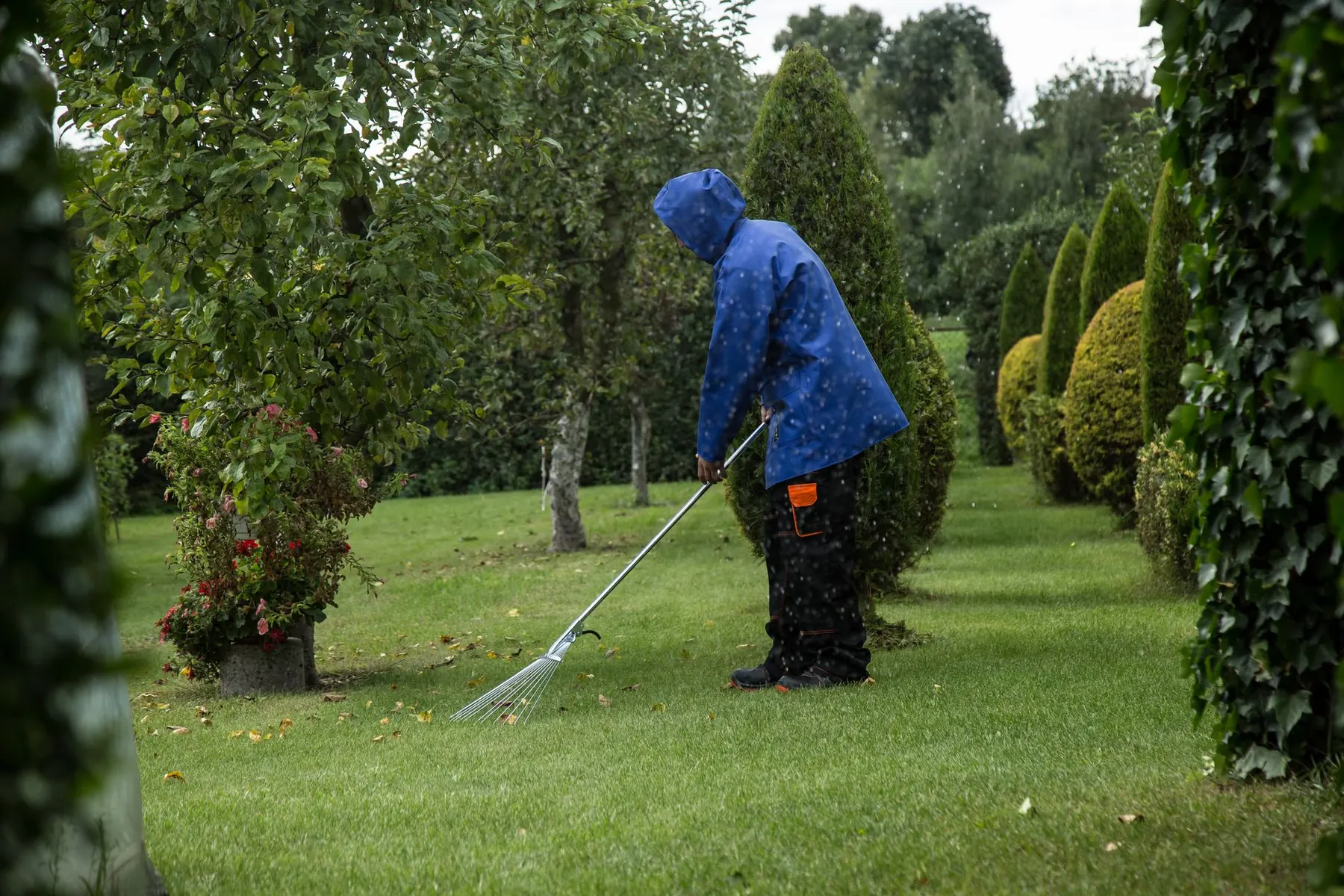
Light thatch can be pulled up with a stiff, hand-held dethatching rake, while heavier thatch calls for a machine: a vertical dethatcher for lighter buildup, or a power rake past about half an inch, both set shallow to keep roots intact.
The Best Season for New Orleans Lawns
Warm-season grasses common here, including St. Augustine, recover best from aeration and dethatching during active growth, generally late spring into early summer once the lawn is fully green. Working too early or late leaves less time to bounce back before growth slows.
Why the Two Processes Work Best Together
A compacted, thatchy lawn benefits from doing both in the same visit: removing thatch first exposes the soil so aeration can pull plugs cleanly, and the channels it leaves help water and nutrients reach the roots dethatching just uncovered. Our landscape restoration service often pairs the two for yards gone thin or patchy over time.
What This Means for Your New Orleans Lawn
A lawn that feels spongy, drains poorly, or stays thin despite regular care is usually telling you which of these two problems it has, sometimes both at once. At Big Easy Lawn Care, we’ve worked with New Orleans-area clay and humidity long enough to match the right process, and season, to what a yard actually needs.
We can walk your yard and tell you within minutes whether it needs aeration, dethatching, or both before the next growing season arrives. Call us today to schedule aeration and dethatching for your New Orleans lawn.
Frequently Asked Questions
How do I know if my lawn needs aeration or dethatching?
Push a screwdriver into moist soil; if it stops at 2 to 3 inches, the soil is compacted and needs aeration. Separately, press a finger through the grass near the soil line; more than a half inch of spongy material means dethatching is needed, and many New Orleans lawns need both at once.
How much thatch is too much on a lawn?
About a half inch of thatch is considered healthy and even helpful for insulating roots. Once thatch builds up past roughly a half inch to three-quarters of an inch, it starts blocking water, air, and nutrients and raises the risk of pests and disease taking hold in the turf.
What is the difference between core aeration and spike aeration?
Core aeration removes small plugs of soil, opening real channels for air and water in dense soil. Spike aeration just pushes solid tines in without removing material, which can compress clay sideways instead of relieving it. For heavy clay soil like much of the New Orleans area has, core aeration works better.
Can you aerate and dethatch a lawn on the same day?
Yes, and doing both in the same visit is common for lawns dealing with compaction and heavy thatch together. Dethatching first clears the spongy layer so aeration equipment can reach the soil cleanly, and the resulting channels then help water and nutrients reach the roots more effectively afterward.
What time of year should you aerate a New Orleans lawn?
Warm-season grasses recover fastest when aeration happens during active growth, generally late spring into early summer once the lawn is fully green. Working during that window gives the turf time to heal and fill in before the growing season slows down again later in the year.
Does clay soil need aeration more often than sandy soil?
Yes, clay soil compacts more easily and stays compacted longer than sandy or loamy soil does. Much of the New Orleans area sits on dense clay, which is why regional lawn care guidance often treats aeration as a near-yearly task rather than something to do only every few years.
What causes thatch buildup on St. Augustine grass?
Thatch on St. Augustine grass mainly comes from stolons and roots growing faster than the soil can break them down, which overwatering, overfertilizing, and mowing too short all accelerate. New Orleans’ humid, warm climate keeps that growth active for much of the year, which is part of why thatch can build up quickly here.
Do I need to overseed after aerating and dethatching?
Overseeding is a separate decision that depends on how thin or bare a lawn is after treatment, not something every yard automatically needs. Many New Orleans lawns recover fine from aeration and dethatching alone if the existing turf is otherwise healthy, while thinner lawns may benefit from added seed afterward.